Moving into a new apartment is stressful enough without a wild animal crashing through your kitchen every single day. That’s the reality for Alexus Hubbard, a Cincinnati resident who says a raccoon has been invading her Westwood apartment on a daily basis since she noticed strange noises in her ceiling less than a month after signing her lease. The raccoon burglar in Cincinnati has drawn attention from local and national news outlets, and the situation has gotten a lot more complicated than a simple critter problem.
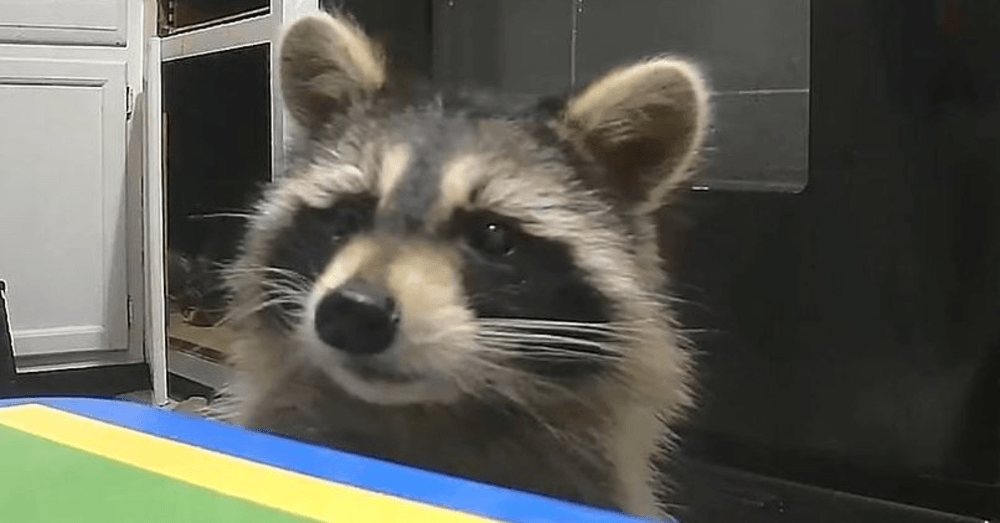
- Hubbard first heard sounds in her ceiling on Feb. 20, and on March 1, she caught the raccoon on camera crawling into her home through a hole in the wall in her kitchen cupboard.
- The raccoon left messes throughout the kitchen, brought in trash from other homes and outside, and defecated and urinated throughout her living room.
- When the building’s new owner brought a trap, he also brought a document notifying her that she had until April 30 to leave the premises or face eviction.
A Furry Intruder With a Nightly Routine
Hubbard has lived in her apartment for less than a month, and a raccoon has been using a hole in the roof to invade her home every day for over a week. The trouble started on February 20, when she began hearing scratching and rustling sounds overhead. She reported the noises to her landlord at the time, but nothing was done right away.
Things took a turn on March 1, when the raccoon finally showed itself. Hubbard captured video of the intruding raccoon entering her Westwood apartment through a hole in a kitchen cupboard. And this wasn’t a one-time visit. The raccoon continued its trips in and out of her home every day of the week.
Raccoons are creatures of habit, and once they find a way into a warm building, they tend to keep coming back. When raccoons determine that your attic is a safe place for them to seek shelter, they will return year after year. In Hubbard’s case, the raccoon treated her apartment like its personal rest stop, entering and exiting at will through the kitchen wall.
Health Concerns Hit Close to Home
The damage wasn’t limited to a few knocked-over items. Hubbard said the raccoon left a mess throughout the kitchen, brought in trash from other homes and from outside, and also defecated and urinated throughout her living room.
That’s a real health hazard. Raccoon waste can carry bacteria, parasites, and diseases. Wild animals in homes can spread diseases like rabies, roundworm, and histoplasmosis. The risks are serious for anyone living in close quarters with raccoon droppings.
For Hubbard, the danger is especially personal. Her son has cerebral palsy, which makes the whole situation even more alarming. Because her son relies on crawling to get around, the contaminated floors pose an immediate and direct risk to him. That’s a situation no parent should have to deal with.
A Landlord Problem on Top of a Raccoon Problem
As if the raccoon visits weren’t enough, the situation got a lot messier on the landlord side. According to Hamilton County auditor’s records, Savin Holdings LLC purchased the building in late February, just a few days before Hubbard reported the raccoon. The change in ownership meant Hubbard was now dealing with a brand-new landlord who didn’t seem eager to address the issue.
Hubbard said her landlord, Savin Holdings LLC, placed a trap for the raccoon Thursday night. But the trap came with strings attached. The new owner had notified her that he had no intention of participating in the Section 8 Housing Choice Voucher Program, which allows Hubbard to live in the apartment at a reduced rate. He reportedly asked her whether she’d pay full rent or look for a new place to live.
When the owner brought the trap, he also brought a document notifying Hubbard that she had until April 30 to leave the premises or face eviction. So alongside dealing with a daily raccoon invasion, Hubbard is now facing the possibility of losing her home altogether. Local news reached out to the owner for comment, but did not receive one.
What to Do If a Raccoon Gets Into Your Home
Hubbard’s story is wild, but raccoon break-ins aren’t all that rare, especially in Ohio during the colder months. Ohio’s summers are hot and winters are cold, and raccoons are attracted to homes because they provide a warm, dry place to sleep, as well as easy access to food.
If you ever have a raccoon in your home, you are asked to open all of your windows and doors until it leaves. Don’t try to corner or handle the animal yourself. If it shows signs of illness or displays a lack of fear of humans, you should contact the Ohio Department of Natural Resources or the health department.
According to the Ohio Department of Natural Resources, a trapped raccoon must be released on the same property or humanely euthanized. It’s also illegal in Ohio to trap without a license. So if you’re thinking about handling things solo, think twice and call a professional instead.
Ohio’s Raccoon Problem Isn’t Slowing Down
Hubbard’s story is one of many raccoon encounters making headlines around the region lately. Authorities in Virginia recently identified another raccoon as the perpetrator in a string of break-ins at a strip mall in Hanover, where the animal was found passed out drunk on the bathroom floor of a liquor store on Black Friday. Cincinnati’s own Local 12 news station also had a raccoon move in during the cold snap in February, with staff finding the critter rummaging through newsroom trash cans.
Raccoons are smart, bold, and very good at finding holes in buildings. If you’ve got a gap in your roof, soffit, or walls, you’re basically rolling out the welcome mat. Regular maintenance and quick repairs are your best defense. And if a masked bandit does find its way inside, get help fast, both for your safety and for the animal’s sake.