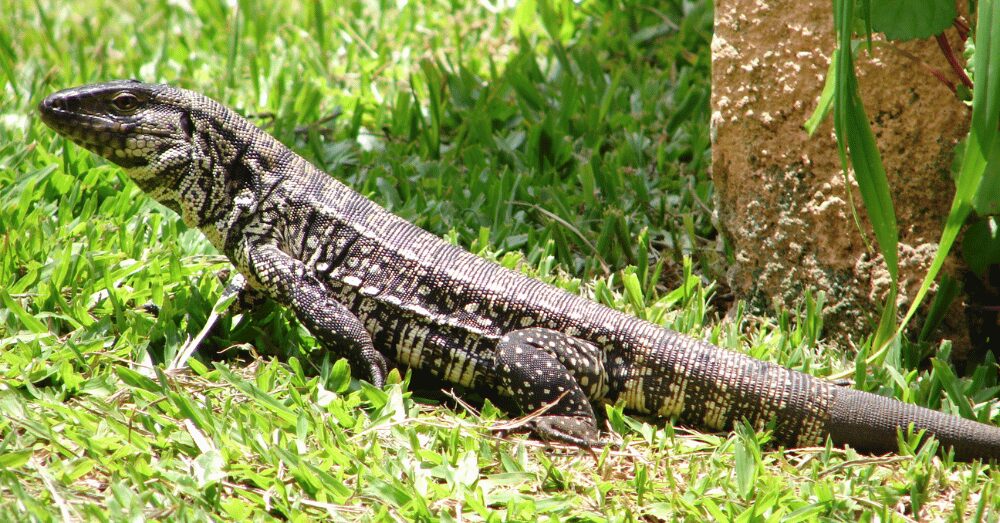
Picture this: you’re shoveling your driveway after a massive snowstorm, and instead of just ice and slush, you spot a large exotic Tegu lizard trying to crawl out of nearly two feet of snow. That’s exactly what happened to Frank Hardy in Providence, Rhode Island, in late January 2026, and the story of what came next has captured hearts across the country.
- A Providence man discovered a large exotic tegu lizard buried beneath nearly 20 inches of snow after a massive winter storm.
- Veterinarians found the tegu to be extremely weak and underweight, and noted that cold-blooded animals can experience cell failure and tissue damage if their temperature drops too low.
- Two weeks after Frankie’s rescue, the staff at ET Reptiles is actively monitoring her health, and she is being hand fed daily to build her weight back up.
How Frankie the Tegu Ended Up in the Snow
While many Providence residents woke up on January 27 to a pristine sheet of snow outside their windows, Frank Hardy was greeted by something different: an injured tegu lying in his lawn. Hardy recalled the moment: “So, as I poked my head out of the vehicle, I see what I believe to be a lizard in the middle of the street, in the middle of a blizzard.”
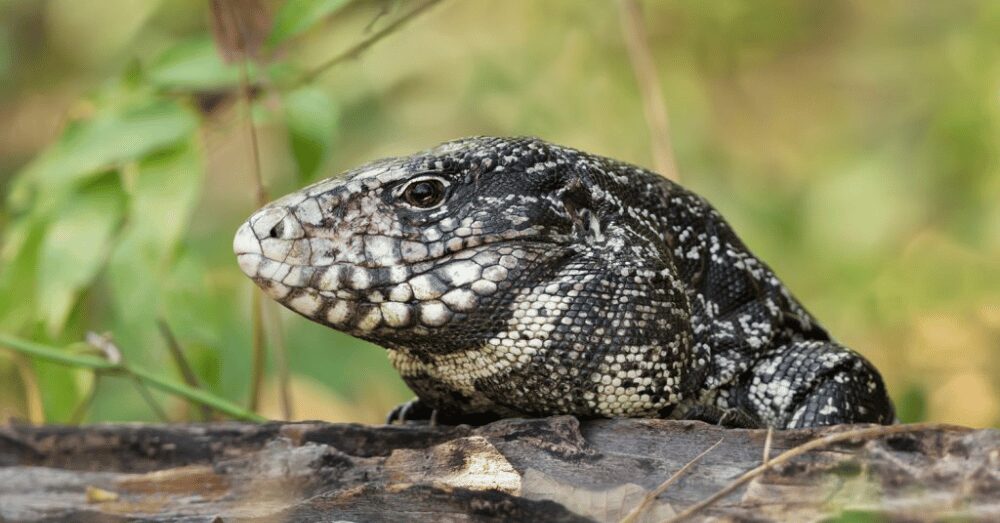
If you’ve never seen a tegu in person, they’re hard to miss. These common exotic pets can reach three to five feet in length and live up to 20 years, according to Emily Arpin, co-owner of ET Reptiles. Tegu lizards are native to South America and are popular in the pet trade. Finding one on a frozen Rhode Island street is about as unlikely as spotting a flamingo in Indiana during a January cold snap.
Hardy described the reptile as “rigid, like a board, freezing cold to the touch.” He eventually contacted the New England Wildlife Center, which helped arrange care for the animal at ET Reptiles. Despite the warnings of his friends, one of whom predicted the reptile would “rip your arms off,” Hardy took the lizard inside and was cautious not to warm it too quickly, soaking a rag with warm water to massage the lizard.
The Race to Save a Cold-Blooded Survivor
ET Reptiles, a reptile store based in nearby Warwick, said its co-owners responded immediately after being contacted and retrieved the animal. The shop wrote on Facebook that “it was an intense 24 hours.”
The veterinary team at Odd Pet Vet quickly assessed Frankie’s condition, and the results were grim. Veterinarians found the tegu to be “extremely weak, underweight, and not moving well.” The New England Wildlife Center explained that “reptiles are cold blooded, meaning they rely on their environment to regulate their body temperature,” and that when temperatures drop too low for too long, “their metabolism slows, blood flow is compromised, and cells begin to fail.”
Frankie was suffering from multiple injuries including bleeding toes and missing nails. Her treatment included the amputation of the two tips of her tongue, which had gone necrotic after being frostbitten. The animal also received supportive care, including steroids, to address inflammation and weakness.
Frankie’s Slow Road Back
Good news started trickling in within days. ET Reptiles called Frankie a “fighter,” reporting “small but encouraging changes” and noting that “Frankie is more alert and more active than she was initially.”
Frankie has become more active and is enjoying warm baths to keep her body temperature up, and while her tongue is reportedly still swollen, vets are keeping a close eye on it. ET Reptiles shared that “she has been doing the best we could possibly ask for, even though she is very stubborn with her antibiotics.”
It’s unclear whether the tegu escaped or was abandoned. Although Frankie’s case has received national attention, her owner has not contacted ET Reptiles or news outlets. Tegus are legal to own in Rhode Island but require specialized care and warm environments.
Why Tegu Lizards Keep Turning Up Where They Shouldn’t
Frankie’s story might seem like a one-off, but tegus are increasingly showing up outside their natural range. The black and white creatures are native to South America but have become an invasive species in places like Florida after owners who had them as pets release them into the wild. Since first being observed in the wild in Florida in 2006, they have established numerous populations and have been spotted in several states to the north, including an established population in Georgia and multiple sightings across Alabama and South Carolina.
Two research studies from the U.S. Geological Survey show that, depending on their size and body condition, tegu lizards could survive in cooler, northern climates. With mounting evidence of range expansion, several state governments have enacted tegu pet bans. Alabama, Georgia, North Carolina, South Carolina, and Florida all restrict ownership as of 2024.
ET Reptiles warned on social media that “there are no reptiles in our area that can survive snow or freezing weather.” Co-owner Taylor Faria’s message to Rhode Island reptile owners was simple: “Don’t put them outside.”
What Frankie’s Rescue Can Teach Tegu—and Pet Owners Everywhere
Whether you’re in Rhode Island or anywhere else with cold winters, Frankie’s story is a clear reminder that exotic pets need environments that match their biology. Tegus aren’t built for New England blizzards. They need heat, humidity, and space to thrive.
Hardy said the experience changed how he views reptiles. “Even though it may seem insignificant as a lizard or what have you, it’s still a life,” he said. Anyone with information about the lizard’s origin is asked to contact the New England Wildlife Center or ET Reptiles.
Frankie’s still fighting. And thanks to one quick-thinking Providence man and a team of people who cared enough to act, she’s got a real shot at making it.